Commercial + AUKUS-ready Built for autonomous-machine teams, with sovereign data and allied-first sourcing when required.

Mission to machine. And back again.

Mitoma Systems keeps engineering teams building the right autonomous machines.

It turns the mission brief into a clear agreement, then keeps every concept, design decision and finished machine tied to it.

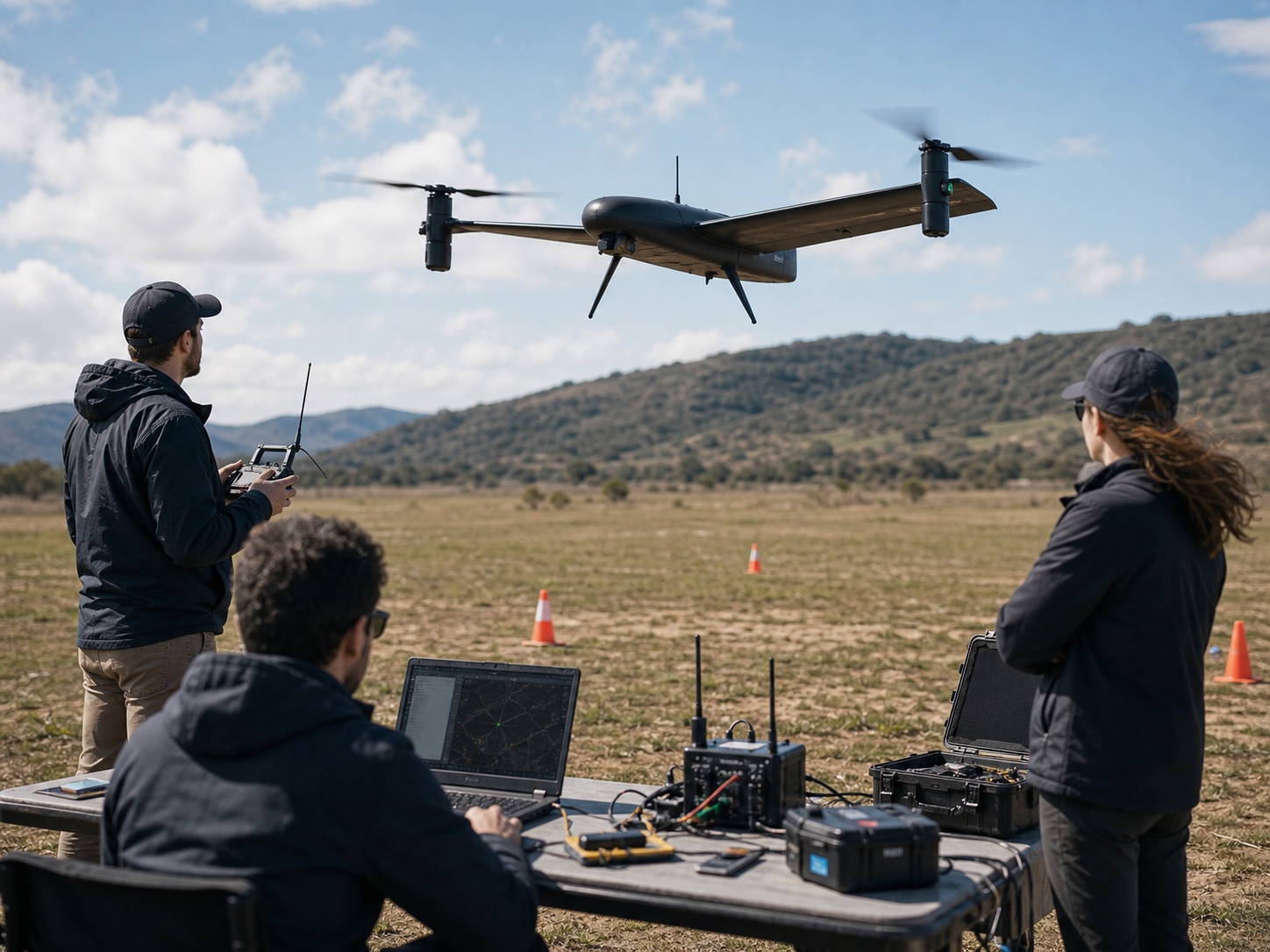
Engineers field testing an autonomous VTOL drone with telemetry equipment at an outdoor test range.
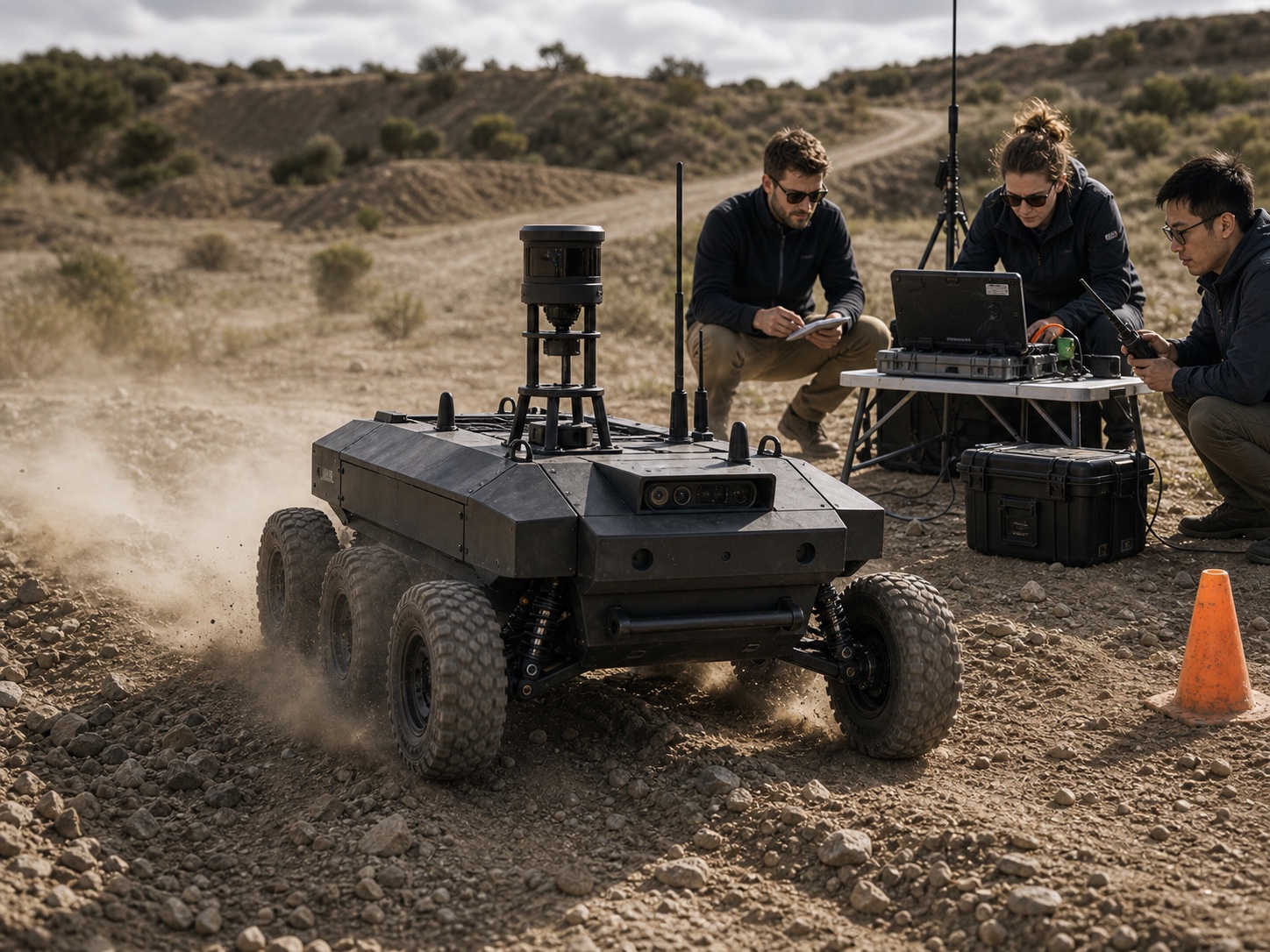
Engineers field testing an autonomous rover over rough terrain with telemetry equipment.
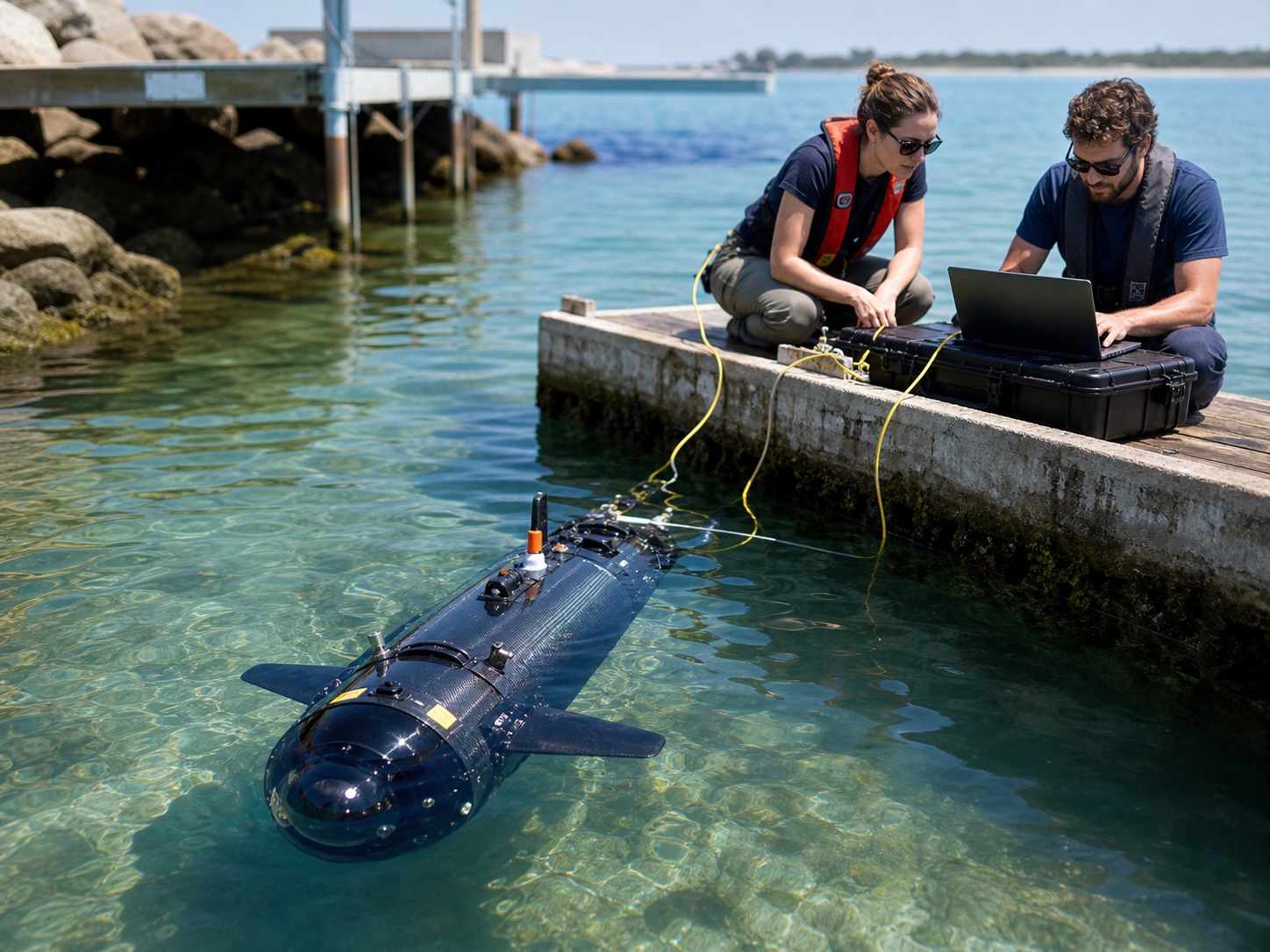
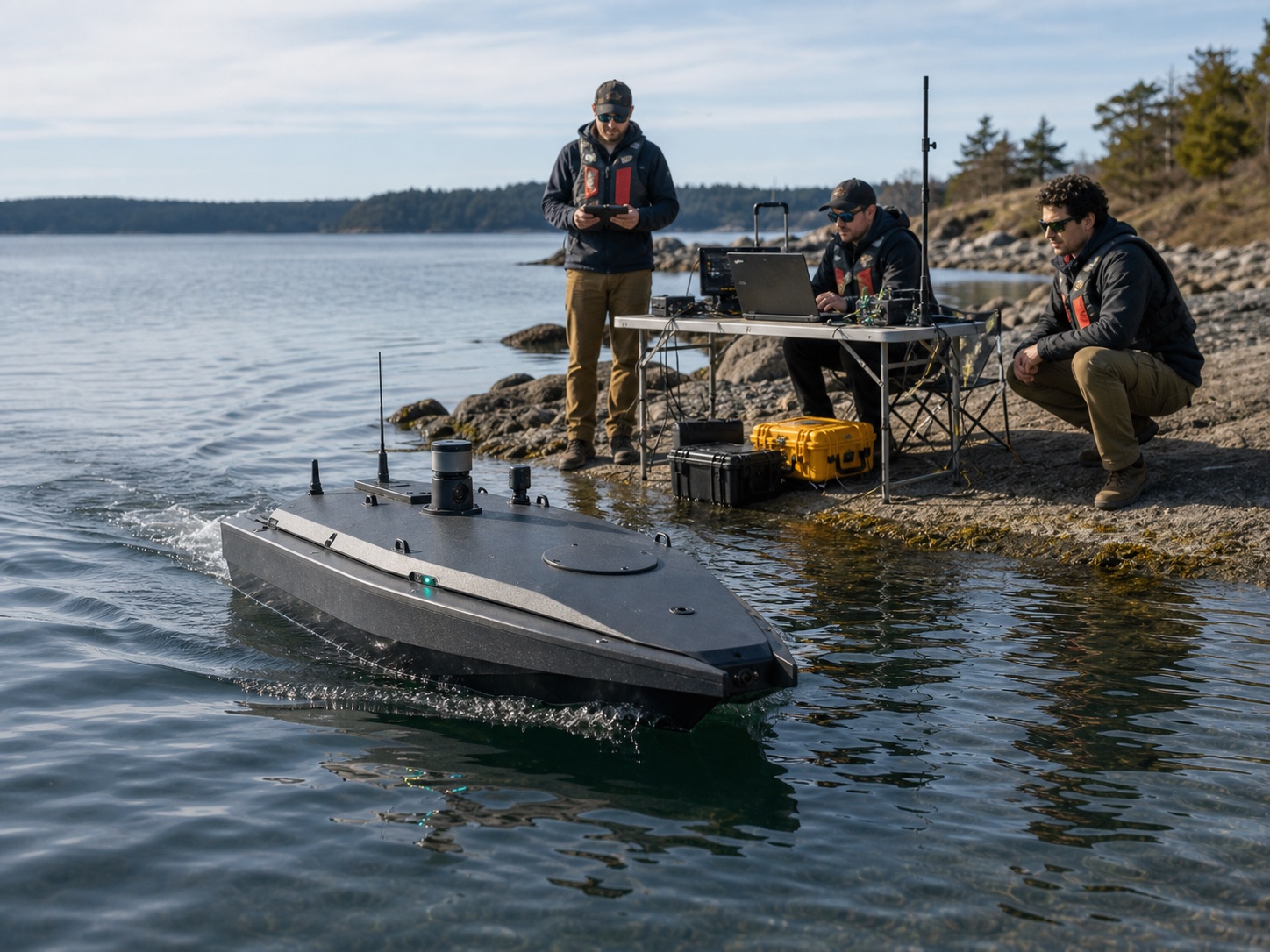
Engineers field testing a compact autonomous underwater vehicle from a coastal telemetry station.

Built for autonomous machines across air, ground and water, from the first concept to field data and redesign.

Six failures we see in most hardware organisations.

Programs rarely fail because one discipline did poor work. They fail when knowledge is lost at handoffs, changes are reviewed in isolation and decisions lose their connection to the machine and its evidence.

01

Lost in translation

Customer-facing staff take the brief. The engineers who build it never speak to the customer, and quietly build something different. By the time the gap shows, it is already built.

Geneca found that 78% of teams feel the business is usually or always out of sync with project requirements. Read more

PMI reported that 39% of organisations name inadequate requirements gathering as the primary cause of project failure. Read more

The Mitoma Systems solution

The people who speak with the customer create the Brief and concepts. Engineering checks feasibility before the Brief is locked, so the build starts from a shared, practical definition of the problem.

See how Mitoma Systems solves this →
02

Spec drift

Weeks lost arguing about what you're building. By the time everyone agrees, half of it is already wrong, and the rework lands downstream.

NASA/INCOSE analysis found that fixing requirement errors during operations can be 1,500× more expensive than fixing them during specification. Read more

The Mitoma Systems solution

The concept, specification and validation stay connected. The agreed problem remains the reference point through every handoff and change.

See how Mitoma Systems solves this →
03

Tribal knowledge

One engineer resigns and years of "why we did it this way" walks out with them. Nobody left can tell you what is safe to change.

SHRM guidance estimates that replacing a key employee can cost six to nine months of that employee's salary. Read more

McKinsey estimated that better knowledge sharing through social technologies could raise interaction-worker productivity by 20–25%. Read more

The Mitoma Systems solution

Mitoma Systems records each design decision and its reasoning in your organisation's private ledger. When an engineer leaves, the reasoning stays.

See how Mitoma Systems solves this →
04

Cross-discipline drift

Mechanical, electrical, firmware, software and AI/automation quietly diverge until the product no longer works as a whole.

NIST reported that an engineering change can cost 10× more when caught during integration than during design. Read more

The Aberdeen mechatronics benchmark reported that 68% of respondents saw mechanical/electrical synchronisation as a top development problem. Read more

Lifecycle Insights research cited by Design World reported typical PCB respin costs in the $28k–$44k range. Read more

The Mitoma Systems solution

One rule-based engine checks mechanical, electrical, firmware, software and AI against the same specification. It flags conflicts during design, when they are still cheap to fix.

See how Mitoma Systems solves this →
05

Silent part substitutions

A part gets swapped and the product quietly stops meeting spec. Nobody catches it until it fails in the field or at audit, long after the build is paid for.

Allianz reported that significant product recalls cost companies about $12M on average. Read more

The US Senate Armed Services Committee reported more than 1M suspect counterfeit electronic parts in the DoD supply chain. Read more

The Mitoma Systems solution

When a part changes, Mitoma Systems shows every requirement and rule affected. You can fix the problem immediately instead of finding it during an audit or field failure.

See how Mitoma Systems solves this →
06

No defensible trail

A regulator, customer or investigator asks "why?" and you have nothing. No record of the decision, no evidence behind it.

Ponemon found that the average cost of non-compliance was 2.65× higher than the cost of maintaining compliance. Read more

NASA says a requirements verification matrix should identify how every requirement will be verified and the definitive source it came from. Read more

NASA says bidirectional traceability helps teams identify every design, document, source-code and test artifact affected by a requirement change. Read more

The Mitoma Systems solution

Every decision is recorded with its supporting evidence. When someone asks why, one readiness report shows the answer and its sources.

See how Mitoma Systems solves this →
One connected trace

We hold the thread.

From a real-world mission to a validated machine, and the telemetry that redesigns the next one.

  1. 01 Mission + constraints
  2. 02 Concepts
  3. 03 Requirements
  4. 04 Architecture
  5. 05 Program budget
  6. 06 Detailed design
  7. 07 Firmware + software
  8. 08 Autonomy + AI
  9. 09 Simulation + analysis
  10. 10 Sourcing + manufacturability
  11. 11 Test plan
  12. 12 Compliance evidence
  13. 13 Deployment package
  14. 14 Telemetry
  15. 15 Redesign

See the connected thread →

No matter your industry

Built for anyone building autonomous machines.

Mitoma Systems keeps the work connected, whatever you build and wherever it operates.

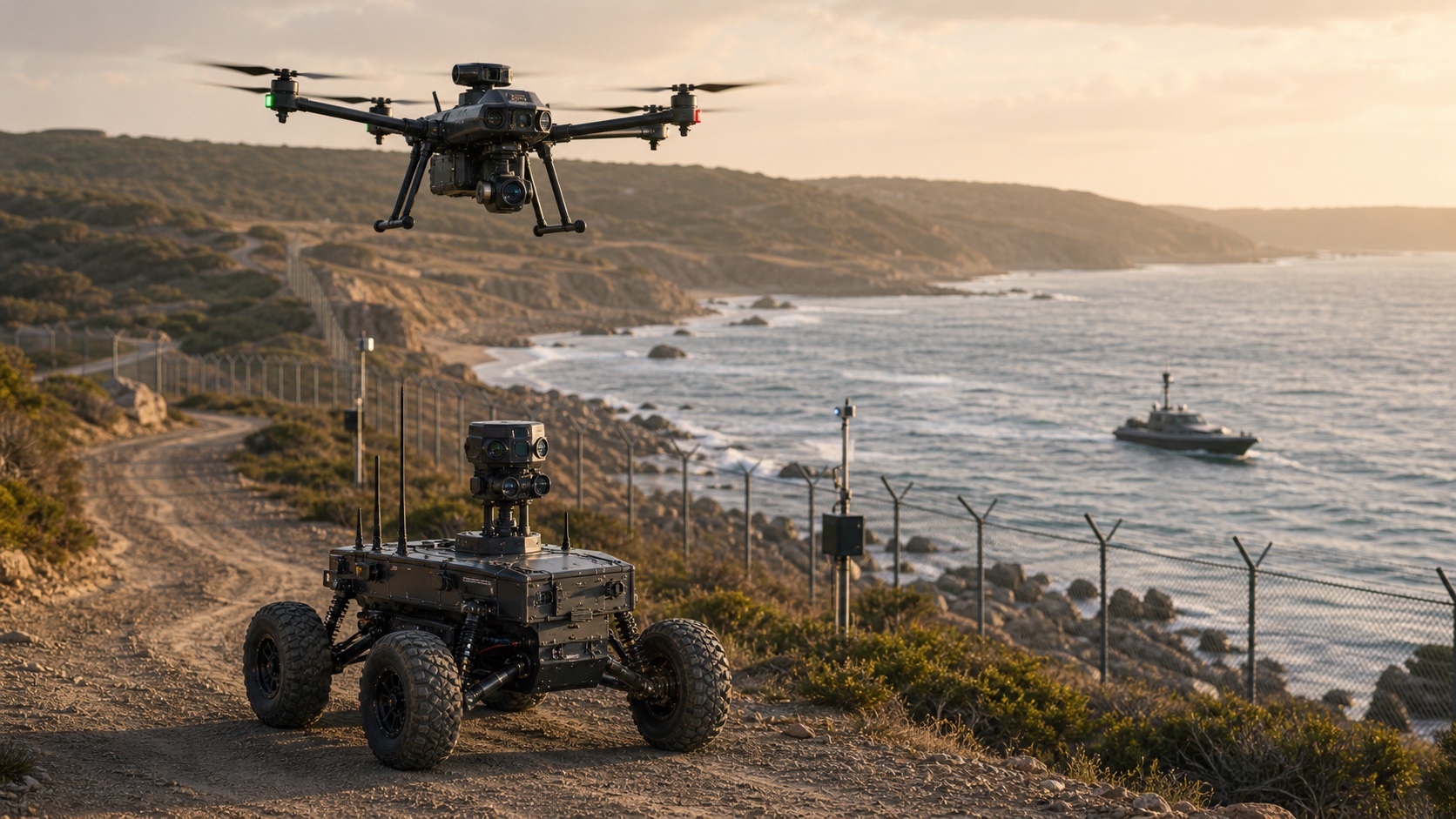
Autonomous drone, rover and surface vessel monitoring a remote coastal security perimeter.

Defence & Security

ISR, force protection and sovereign autonomous systems across air, land and sea, built to allied and AUKUS expectations.

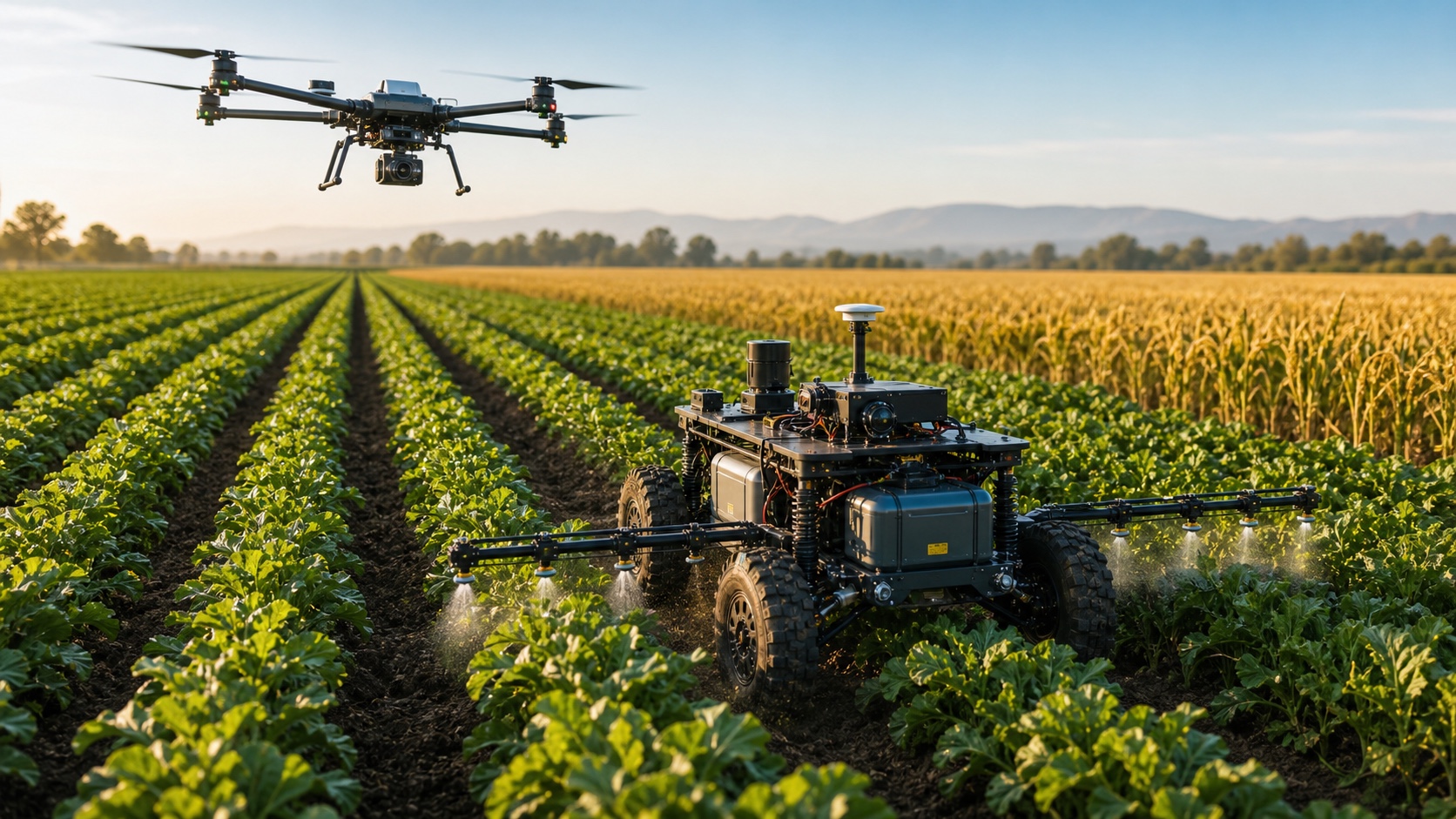
Autonomous crop-spraying rover and monitoring drone working across crop rows.

Agriculture

Crop monitoring, precision spraying and autonomous ground and air machines that cover more ground with fewer people.

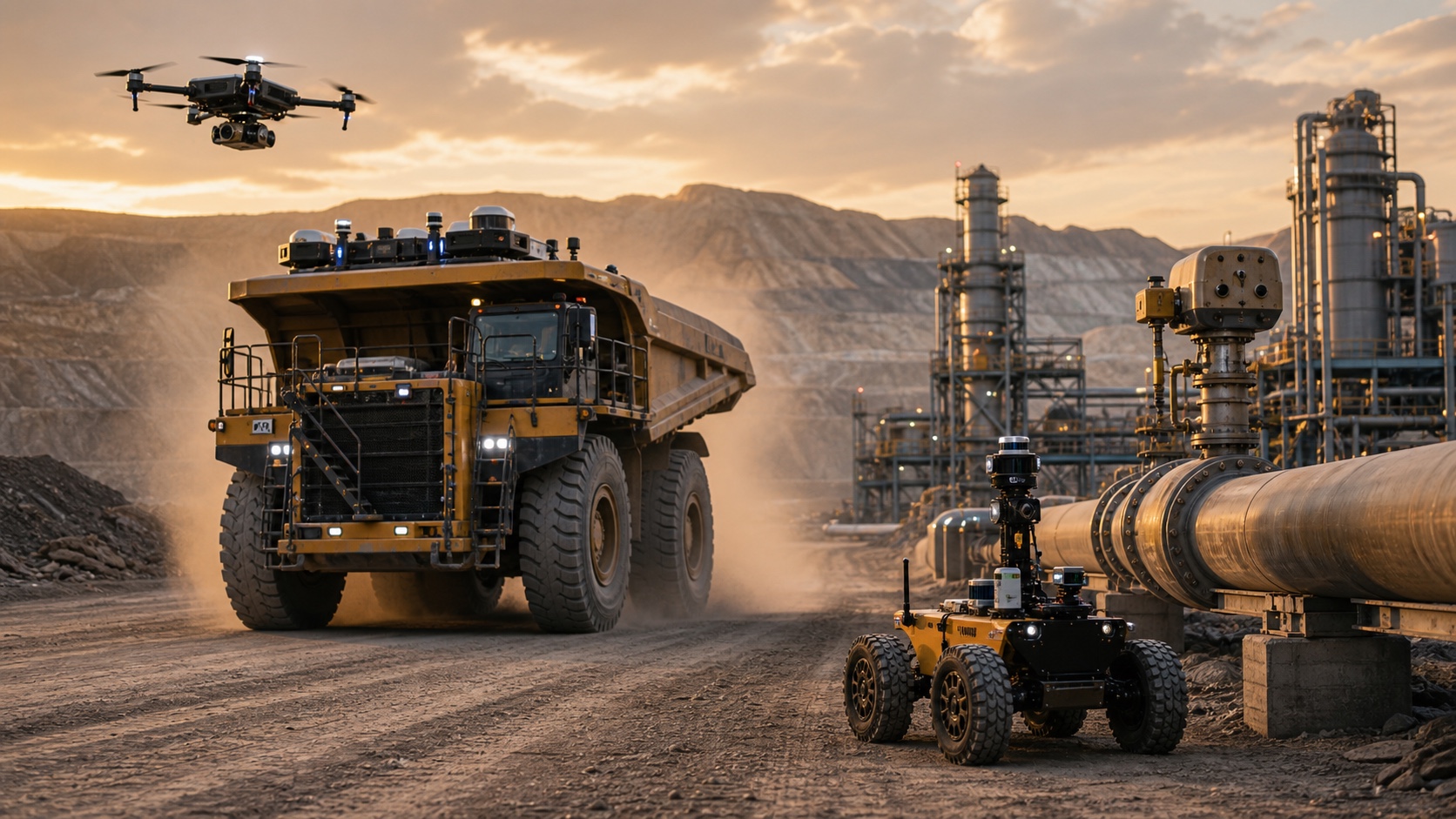
Autonomous haul truck, survey drone and inspection rover operating across a mine and pipeline site.

Mining, Oil & Gas

Autonomous haulage, survey and inspection for remote, hazardous and hard-to-reach sites, on land and offshore.

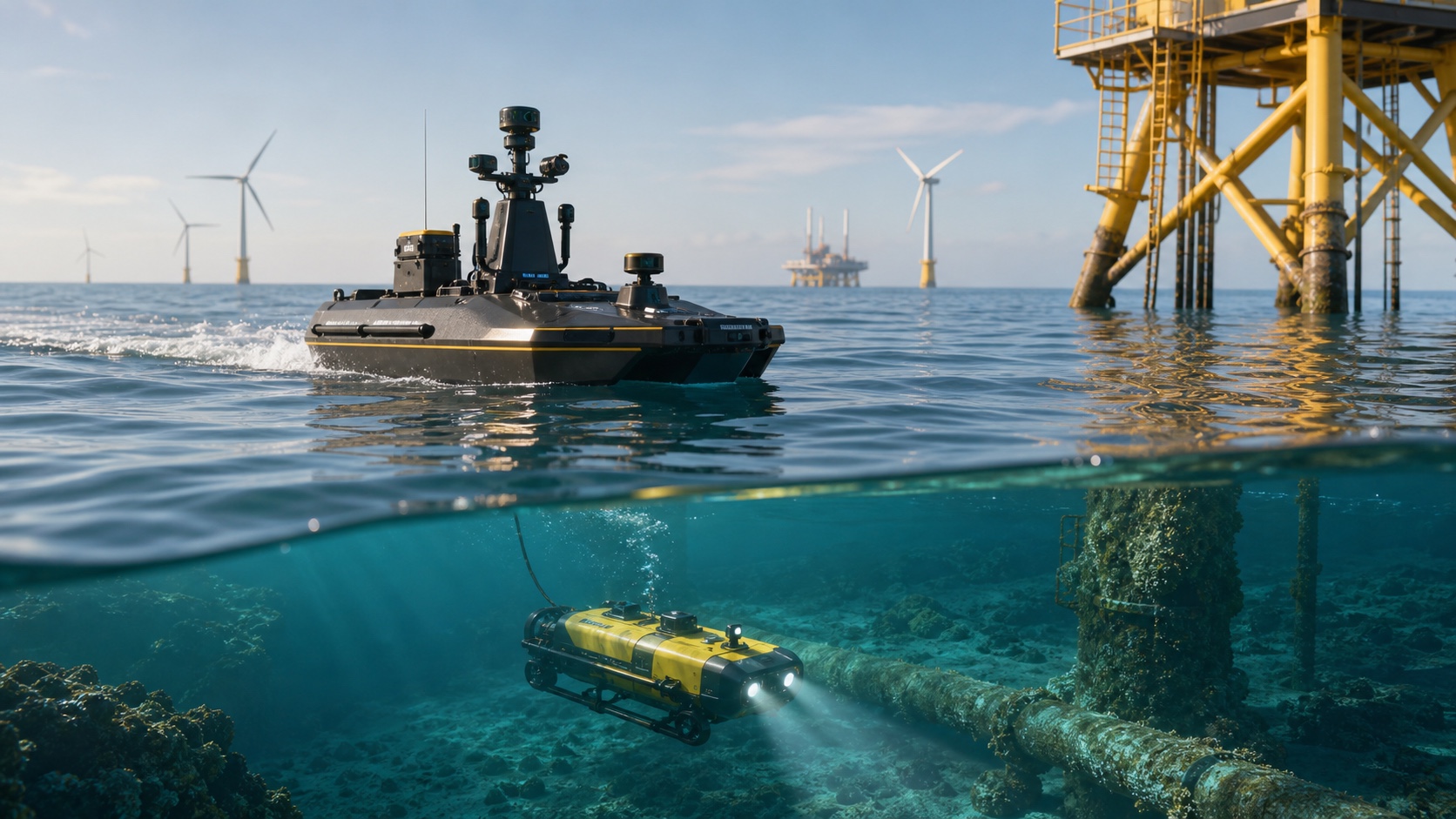
Autonomous surface vessel and underwater vehicle inspecting offshore energy infrastructure.

Maritime & Offshore

Uncrewed surface and underwater vessels for hydrography, offshore energy, subsea inspection and long-endurance patrol.

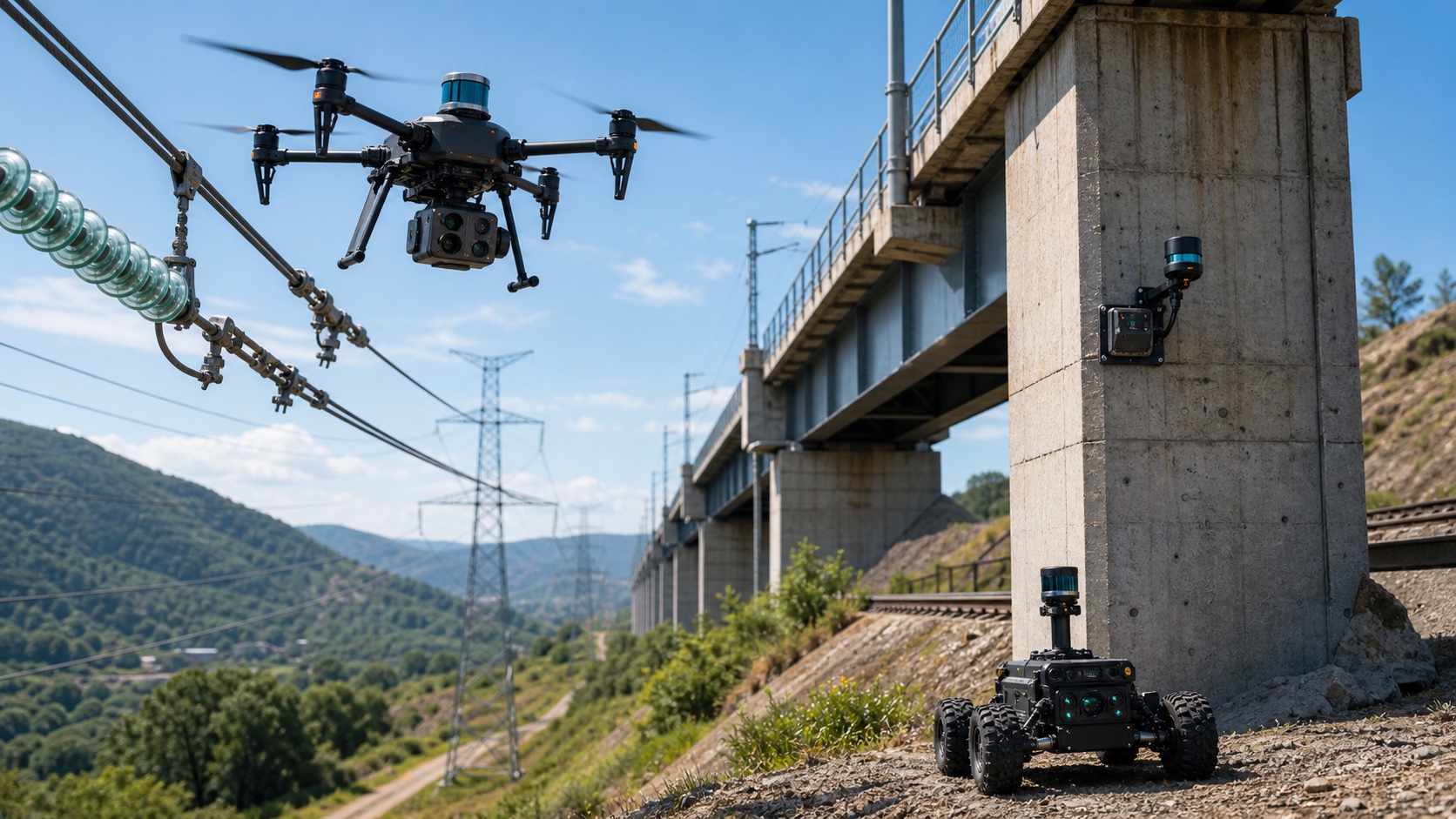
Autonomous drone and ground rover inspecting power lines, rail and bridge infrastructure.

Infrastructure & Inspection

Autonomous inspection of power lines, pipelines, rail, bridges and assets, turning dangerous manual jobs into routine flights, runs and walkdowns.

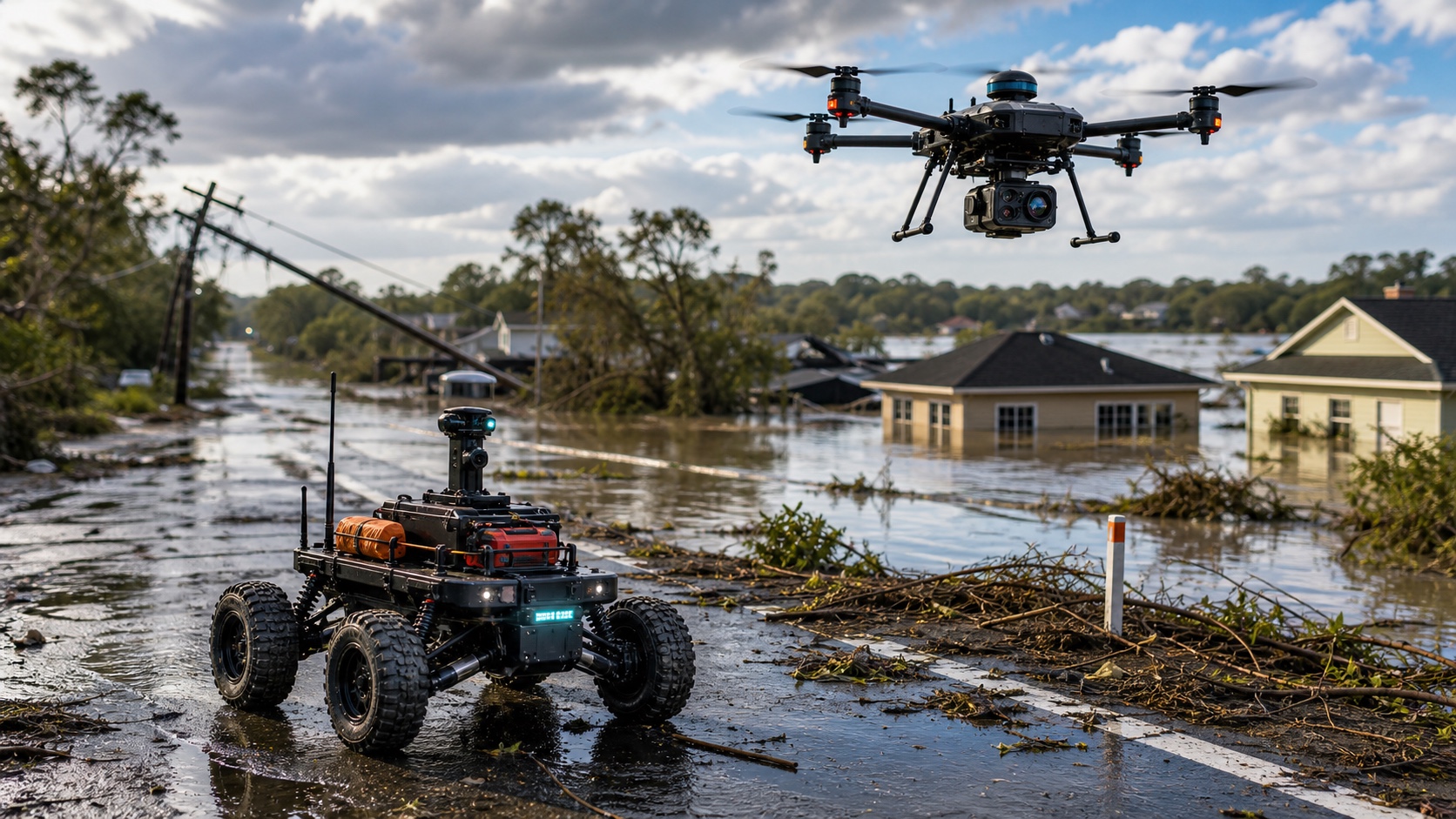
Autonomous search-and-rescue drone and ground rover operating through a flood-damaged road.

Emergency Response

Search and rescue, aeromedical, disaster response and situational awareness, when getting a person there is too slow or too dangerous.

And any other field putting autonomous machines to work. If it flies, drives, sails or dives, Mitoma Systems can help you build it.

From idea to autonomy

Four steps. You decide how far Mitoma Systems goes.

01 · Explore

The Brief and as many concepts as you want, each signed off by an engineer, before you commit build spend.

02 · Blueprint

The specification and build architecture an engineer can start building from.

03 · ValidateComing soon

Validation and integration beside your existing tools. Your engineers are in control.

04 · AutomateComing soon

Mitoma Systems handles approved routine design decisions. Your engineers review every one.

Compare the tiers →

Proof, not promises

Every machine carries its evidence.

One readiness report ties every claim to a source, simulation result or test. Anything still unknown is clearly marked.

How evidence works →

Keep every engineering decision connected.

Mitoma Systems keeps the mission, design, evidence and field data connected.